Adding a Teen Driver in California: What It Really Does to Your Insurance (Real Numbers, 2026)
Here's the straight answer: adding a newly licensed teen commonly increases a family premium substantially — often 50–100%+ depending on the carrier and the vehicle. It's not forever, and there are five moves that genuinely soften the hit: good-student discounts, putting the teen on the oldest car, higher deductibles, liability-only on older vehicles, and quoting your household with multiple carriers. What you should not do is leave a licensed teen off the policy — carriers can deny claims over it. Call 209-670-1556 and we'll run the real numbers for your family. Se habla español.
California requires every rate to be built primarily on three factors — driving safety record, annual mileage, and years of driving experience (Insurance Code §1861.02, the Proposition 103 rating rules). A 16-year-old has zero years of experience by definition, and inexperienced drivers have crash rates several times higher than adults. Carriers aren't picking on your kid; the statute literally makes experience one of the mandatory rating factors, and your teen has none yet.
Two pieces of good news hide inside that same rule. First, the surcharge is heaviest in the first year or two and steps down as your teen builds a clean record. Second, because carriers weight youthful drivers very differently, the gap between the priciest and friendliest carrier for the same family is often enormous — which is exactly why shopping the household matters more now than at any other point in your insurance life.
Real Numbers, Not Internet Averages
Most articles about teen drivers quote national averages that have nothing to do with a working family in Stockton or East San Jose. Here's our own data instead: across our California Nonstandard Auto Price Index — 7,116 six-month terms quoted in the past year — the average premium was $766 per 6-month term (median $558), and young-driver profiles sit at the top of that range.
Young-driver households cluster at the top of that range — which is why a family paying near the median can see the bill jump toward (or past) the average the day a teen is added. The spread between carriers on the same teen profile is the biggest saving lever you have.
So when you hear "adding a teen can raise your premium 50–100% or more," that's consistent with what we see across thousands of real California quotes — with the exact outcome driven by the carrier, the car the teen is rated on, and the discounts you actually claim.
Five Moves That Actually Lower the Bill
1. The good-student discount
Most carriers give a meaningful break for a B average or better (report card or transcript as proof). It's one of the few discounts sized to matter on a youthful-driver surcharge. If your teen qualifies, claim it from day one — it isn't applied automatically.
2. Assign the teen to the oldest car
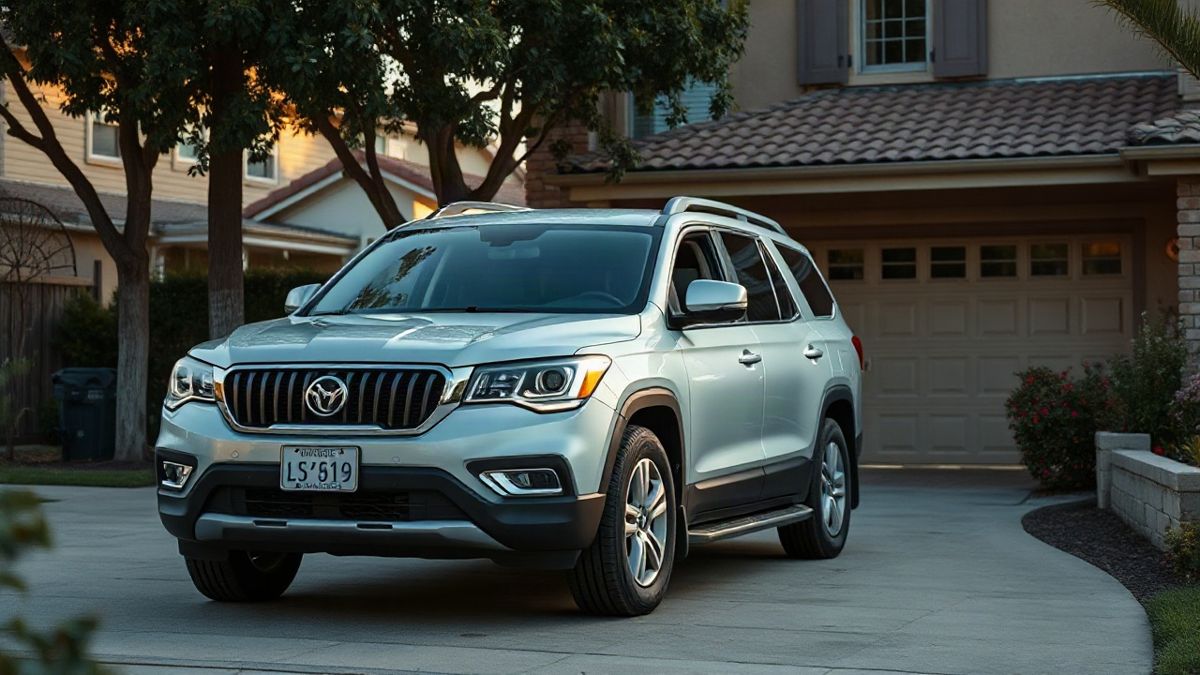
Carriers rate drivers against vehicles. A 16-year-old rated on a new SUV is the most expensive combination in the household; the same teen rated on the ten-year-old sedan is dramatically less. If your carrier allows driver-to-vehicle assignment, this one decision often moves the needle more than any discount.
3. Raise deductibles on newer cars
Moving comprehensive and collision deductibles from $500 to $1,000 trims the premium on every vehicle that carries physical damage coverage — a household-wide lever that helps offset the teen surcharge.
4. Liability-only on the old vehicle
If the car your teen drives is worth $3,000, paying for comprehensive and collision on it rarely makes sense. Liability-only on older vehicles keeps you legal under Vehicle Code §16020 (California's financial responsibility law) without paying to insure metal that's mostly depreciated away.
5. Quote the household with multiple carriers
This is the big one. As an independent brokerage, we quote your household with multiple carriers — same drivers, same cars, same limits — and the spread on teen-driver profiles routinely surprises families. The carrier that was right for two adult drivers is very often not the carrier that's right the year a teen joins.
The Mistake That Costs More Than Any Premium
Some families "save money" by simply not telling the carrier about the new license. Understand the risk clearly: carriers generally require all licensed household members to be listed or formally excluded, and if an unlisted teen crashes, the carrier can deny the claim or rescind the policy for material misrepresentation. One denied $40,000 injury claim erases decades of premium "savings."
The most expensive teen driver in California is the one you never told your insurance company about.
Also remember the license itself comes with training wheels: for the first 12 months, provisional licensees under 18 generally can't drive between 11 p.m. and 5 a.m. or carry passengers under 20 without a licensed adult 25+ in the car (Vehicle Code §12814.6). A clean provisional year is also the start of the driving record that will earn your teen adult pricing later.
Frequently Asked Questions
How much will adding my teen actually raise my premium?
There's no single number — it commonly lands in the 50–100%+ range depending on carrier and vehicle, and our index data (7,116 quoted terms, average $766 per 6-month term, median $558) shows young-driver profiles at the top of the range. The honest answer is a quote on your actual household, which takes us about 15 minutes.
Do I have to add my teen the moment they get a permit?
Usually not — most carriers cover a permit-holder driving with a supervising adult without a premium change. The trigger is the license. Call us the week the license is issued so the policy is right before the first solo drive.
Should my teen get their own separate policy?
Most of the time the family policy wins, because the teen inherits multi-car pricing and the parents' history. Occasionally — usually when a parent has recent tickets or accidents — a standalone policy is competitive. We run both scenarios side by side so you're choosing on numbers, not guesses.
Can I exclude my teen instead of adding them?
Many carriers allow a named-driver exclusion, and it does lower the premium — but an excluded teen has zero coverage if they ever drive the car, even in an emergency. It's a serious trade-off. We'll tell you honestly whether exclusion or assignment to the oldest car is the smarter play for your family.
En Español
¿Tu hijo acaba de sacar su licencia? Preparamos esta misma guía en español — cuánto sube la aseguranza, los descuentos que sí funcionan y el error que puede costarte un reclamo.
New Teen Driver? Let's Run Your Household the Right Way.
We quote your household with multiple carriers and set up the discounts before the first solo drive. Stockton: 956 W. Robinhood Dr (Mon–Fri 10–6) · San Jose: 25 N. 14th St (Mon–Fri 10–6, Sat 10–3) · San Rafael: 9 Vivian St (Mon–Fri 10–6, Sat 10–3). Se habla español.
Reviewed by Santo Militello, California-licensed Property & Casualty agent (CA License #1737723) and owner of Via Rapida Services — CA Insurance License #6003045. Our licensed team brings more than 70 years of combined insurance experience. Premium figures come from Via Rapida's internal California Nonstandard Auto Price Index (7,116 six-month terms quoted over the trailing year) and are averages, not a quote for any individual; your rate depends on your household profile. Last reviewed 2026-07-29.