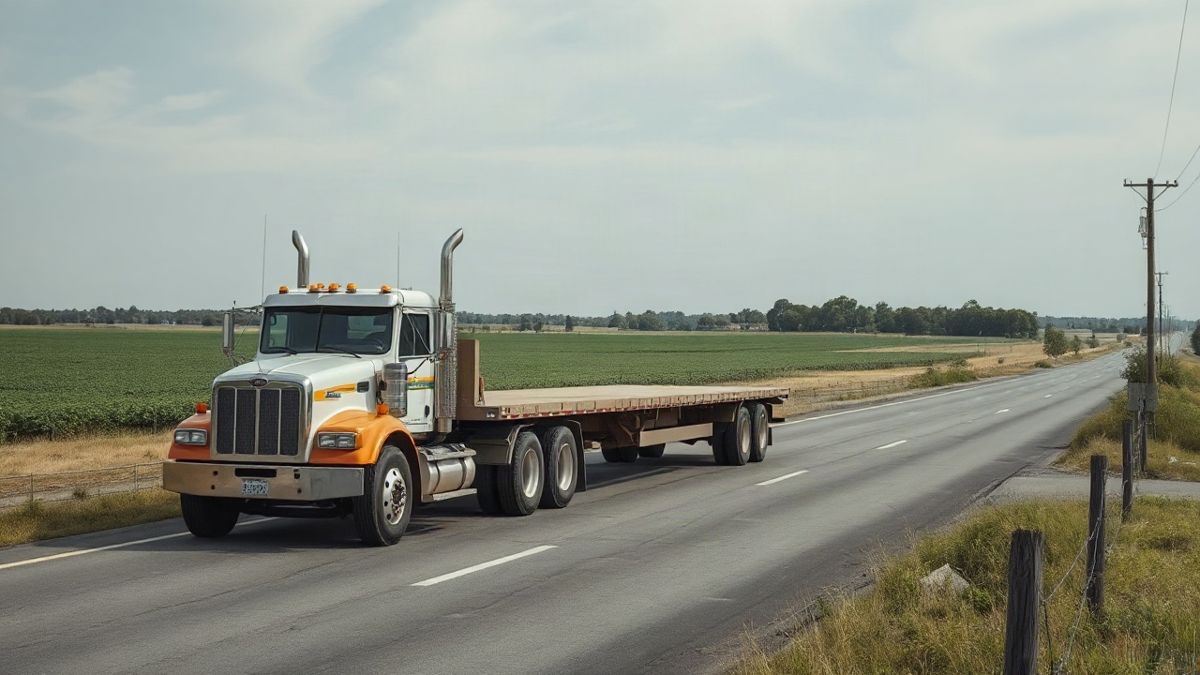
Owner-Operator Truck Insurance in Stockton: What Troqueros Actually Need (2026)
An owner-operator policy is built from four blocks: primary liability (interstate authority commonly requires $750,000+ under FMCSA rules), physical damage on the tractor, motor truck cargo for the load, and non-trucking/bobtail liability for driving without a dispatch. Local dirt, ag, and box-truck work follows different state rules. Bring your CDL, truck info, radius, and cargo type to our Stockton office at 956 W. Robinhood Dr (Mon–Fri 10am–6pm) and we can quote you across multiple carriers — including ones that write new authorities. Se habla español.
Home › Blog › Owner-Operator Truck Insurance in Stockton
Stockton Is a Trucking Town
Between the Port of Stockton, the I-5 and Highway 99 corridors, and the ag economy of the Central Valley, this city runs on trucks. A big share of that freight moves behind owner-operators — troqueros who own their tractor, run leased-on to a carrier or under their own authority, and carry the whole business on their own back. When something goes wrong on the road, the insurance is the business. That's why getting the policy structured right matters more here than almost anywhere else.
In trucking, your insurance isn't just protection — it's your permission to operate. Without the right liability filing behind your authority, you're parked, and every day parked is a day without income.
The Four Building Blocks of an Owner-Operator Policy
1. Primary Liability
This is the coverage the law cares about — it pays for injuries and property damage you cause to others. How much you need depends on your operation. For interstate authority, FMCSA rules commonly require $750,000 or more in liability for general freight, and many brokers and shippers won't load you without $1,000,000. Exact requirements vary by cargo type and operation, so treat those numbers as the common range, not a quote — a licensed agent should confirm what your specific authority needs filed.
2. Physical Damage
Liability protects everyone else; physical damage protects your tractor — collision, fire, theft, vandalism. If you financed the truck, your lender will require it. Even if the truck is paid off, ask yourself: could you replace a $60,000–$150,000 tractor out of pocket tomorrow? For most owner-operators, physical damage is what keeps one bad night from ending the business.
3. Motor Truck Cargo
Cargo coverage pays for the load itself if it's damaged, stolen, or lost while in your care. Shippers and brokers typically require proof of cargo coverage — often $100,000 — before they'll tender freight. The right limit and form depend on what you haul: produce out of the Valley behaves very differently from electronics or steel coil.
4. Non-Trucking / Bobtail Liability
If you're leased to a motor carrier, their policy generally covers you while you're under dispatch. But driving the tractor home, to the shop, or bobtailing between jobs can fall outside that protection. Non-trucking liability (and bobtail coverage) fills the gap for those miles. It's inexpensive relative to the rest of the policy, and it's the piece leased-on operators most often discover they were missing — after the accident.
Local and Intrastate Work Is Different
Not every troquero crosses state lines. Dirt and aggregate hauling, ag hauling during the season, dump trucks, and box-truck delivery work that stays inside California fall under state intrastate requirements instead of federal interstate filings — different liability minimums, different filings, sometimes different markets willing to write the risk. If you run local, don't let anyone quote you as if you run long-haul (or vice versa). The operation defines the policy.
What Moves the Price
Driving record — the single biggest lever. Points, accidents, and violations follow you onto a commercial policy.
Years of CDL experience — carriers price a 2-year CDL very differently from a 15-year CDL.
Operating radius — local (under ~50 miles), regional, or long-haul each price differently.
Cargo type — general freight, produce, refrigerated, dirt/aggregate, and hazmat all sit in different rate tiers.
Truck value and age — drives the physical damage portion of the premium.
Authority age — a brand-new MC number pays more in year one; rates typically step down as the authority builds history.
New Authority or a Rough Record? You Can Still Get Written
Plenty of agencies only want the easy risk: ten-year authority, clean record, late-model truck. That leaves a lot of working troqueros with nowhere to go. We work with carriers that write nonstandard risks and new-authority operators — first-year MC numbers, limited CDL history, drivers with points. The first-year premium is higher; that's real. But the path is the same for everyone: get filed, run clean, and re-shop as the authority ages. Across our three California offices, 4,500+ active customers and 2,080 new policies written in 2025 — a meaningful share of them drivers someone else turned away first.
Why Spanish-Speaking Service Matters in This Niche
A huge portion of Central Valley owner-operators run their business in Spanish — and truck insurance is full of terms that don't translate cleanly. Filings, cargo forms, bobtail exclusions, radius warranties: misunderstanding one of them can mean an uncovered claim. At our Stockton office you can go through the whole policy in Spanish, ask the uncomfortable questions, and understand exactly what you're buying before you sign. That's not a courtesy in this niche — it's risk management.
Bring your CDL, truck info, and authority numbers — we'll quote your operation across multiple carriers, in English or Spanish, usually the same day.
How much liability insurance does an owner-operator need in Stockton?
It depends on the operation. Interstate authority under FMCSA rules commonly requires $750,000 or more in primary liability, and many brokers and shippers ask for $1,000,000. Local and intrastate work — dirt hauling, ag hauling, box trucks — falls under different state requirements. Bring your operation details and a licensed agent can confirm the exact filing your authority needs.
What coverages does a typical owner-operator policy include?
Four building blocks: primary liability (required to operate), physical damage on the tractor (protects the truck itself), motor truck cargo (covers the load you haul), and non-trucking or bobtail liability for when you drive without a load or dispatch. Not every operation needs all four, but most owner-operators leased to a carrier or running their own authority end up with some combination of them.
Can I get truck insurance with a new authority or a less-than-perfect record?
Yes. We work with carriers that write nonstandard risks and new-authority operators — first-year authorities, limited CDL history, and drivers with points. Expect a higher premium in year one; rates typically improve as the authority ages and the record stays clean.
What information do I need to get an owner-operator quote?
Your CDL and driving record, years of CDL experience, the truck's year/make/VIN and value, your operating radius, the cargo you haul, and your authority (MC/DOT) numbers if you have your own. With that in hand, we can usually run quotes across multiple carriers the same day at our Stockton office.
En Español
¿Eres troquero en Stockton o el Valle Central? Preparamos esta misma guía en español — qué cobertura necesita tu troca de trabajo, qué mueve el precio y cómo asegurarte con autoridad nueva.
Stockton: 956 W. Robinhood Dr, Mon–Fri 10am–6pm · San Jose: 25 N. 14th St, Mon–Sat 10am–6pm · San Rafael: 9 Vivian St, Mon–Fri 10am–6pm, Sat 10am–3pm. Se habla español.
Reviewed by Santo Militello, California-licensed Property & Casualty agent (CA License #1737723) and owner of Via Rapida Services — CA Insurance License #6003045. Our licensed team brings more than 70 years of combined insurance experience. Liability requirements vary by operation, cargo, and authority type; confirm your specific filing requirements with a licensed agent. Last reviewed 2026-07-29.