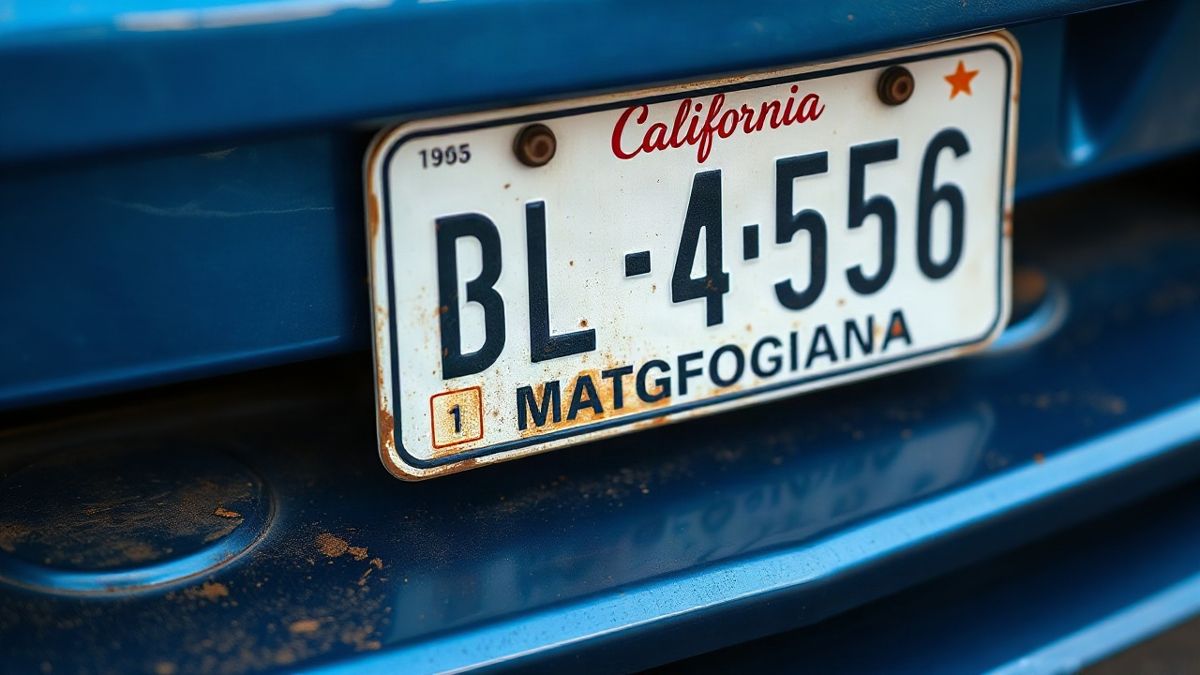
What makes a car a classic or a collector car for insurance in California?
A collector policy is a program for a car kept for shows, club runs, and occasional pleasure driving. It is not the same label as a California Historical Vehicle plate. Many programs price physical damage on an agreed value instead of ordinary market value. The policy form, not a statute, decides which value applies.
Classic, vintage, antique, and collector are program words, not one California statute. If the car commutes, say that first. Calling daily miles pleasure-only is how a later claim gets questioned.
Insurance City Agency, LLC, CA Lic #6003045, writes personal auto statewide. The phone is 209-670-1556.
What is agreed value, and how does it differ from actual cash value and stated value?
Agreed value is a number the owner and the insurer settle before a loss, and a covered total loss pays that number. Actual cash value pays what the car is worth at the time of the loss, after age and condition. Stated value is an amount the owner declares, and many forms then pay the smaller of that amount, repair cost, and actual cash value.
Definition. Agreed value locks a figure in advance. Actual cash value is measured after the crash. Stated value often works as a ceiling, not a promise. None of the three is a California statute.
What do many collector programs ask for when the car has no garage?
Many collector programs limit the car to pleasure use, set a yearly mileage cap, and ask for locked storage. Those are program rules, not a Vehicle Code section, and they change from one form to the next. A daily commute usually stays on an ordinary auto policy. If there is no garage, ask. A driveway, a storage unit, and a shared garage are not the same answer on every application.
State the real miles. A locked unit, a gated carport, or a shared garage may pass one program and fail the next. Ask with the address before renting a unit. Pleasure use means club events and occasional weekend miles, not a business errand. Many programs expect another car for daily transportation on a California personal auto policy.
How does a daily-driver policy on an older car differ from a collector policy?
An older car that goes to work, school, or the store is a daily driver and is usually written on a standard personal auto policy. A collector policy is built for limited pleasure use and often uses agreed value for physical damage. Both still have to meet California liability minimums when the car is used on a public road. The table is the split. It is not a premium comparison.
| Question | Daily-driver older car | Collector program |
|---|
| How the car is used | Commute, errands, ordinary household driving | Many programs: shows, club activity, and limited pleasure miles |
| Miles | The ordinary annual mileage on a personal auto policy | Many programs write a yearly cap. The cap is on the form, not in a statute |
| Where it sleeps | Driveway, street, or garage, whatever the household has | Many programs ask for locked storage. No garage is a question, not an automatic no |
| Physical damage value | Usually actual cash value | Often agreed value, sometimes stated value. The form names which one |
| Liability on a public road | Financial responsibility still applies | The same financial-responsibility duty if the car is driven on a public road |
| Plates | Ordinary California plates | Historical Vehicle plates only if the use matches Vehicle Code section 5004. A collector policy does not issue plates |
Deadlines after a purchase are on the just-bought-a-car guide. This page does not repeat that clock.
Which California plate and smog rules apply to an old car?
Three plate paths are easy to mix up, and they are not the same product. Historical Vehicle plates under Vehicle Code section 5004 are for a vehicle used primarily for historical exhibition. California 1960s Legacy plates are a special-interest plate the DMV handbook still offers. Smog follows model year: the Bureau of Automotive Repair says gasoline vehicles of 1975 and older skip Smog Check, and 1976 and newer do not.
Section 5004 covers a vehicle moved on the highway primarily for historical exhibition. The groups are an engine of 16 or more cylinders built before 1965, a vehicle built in 1922 or earlier, and a vehicle built after 1922 that is at least 25 years old and of historic interest. The first two use a Horseless Carriage series. The third uses a Historical Vehicle series. The plates are permanent. Subdivision (c) sets the initial fee at $25. Source: the statute linked above. They are not exempt from equipment sections 26709, 27150, and 27600.
Section 5004.1 is a different path: a 1980 or older model year may use legible California plates from that model year if the department approves. The statute sets a $45 application fee. That is a year-of-manufacture plate, not a Historical Vehicle plate. Legacy plates are still offered. DMV handbook 21.025 says California 1960s Legacy plates are available and cites Vehicle Code section 5004.3. This page does not print those fee dollars. See the personalized plates guide.
Smog follows model year. The BAR collector-car page says a collector car of model year 1976 or newer needs a Smog Check and may use an abbreviated state Referee inspection, and model year 1975 and older does not. It cites Health and Safety Code sections 44011(c) and 44012(f). The DMV smog page states the same gasoline cutoff. County detail is on the smog check page.
Liability does not retire with the model year. Section 16056 requires a policy or bond issued or renewed on or after January 1, 2025 to provide at least $30,000 for injury or death of one person, $60,000 for two or more people, and $15,000 for property damage. The DMV insurance page prints those limits and cites Insurance Code section 11580.1(b). The Department of Insurance describes the same change under Senate Bill 1107. Section 16020 requires financial responsibility and evidence in the vehicle. Collision coverage does not satisfy that duty.
How do you insure and register a classic car in California?
Put liability on the car before it is driven, then bring photos, any appraisal, the title, and the VIN to the registration paperwork. Via Rapida prepares that paperwork as a licensed registration service. The DMV issues the card and the plates. We do not promise the department will accept the packet. The list below is the order we use at the counter. It is not a DMV appointment system.
- Name the use. Show car, club car, or the car that also does Tuesday errands. The answer picks the form.
- Photograph it. Each side, the interior, the engine bay, the odometer, and the VIN plate. Programs that want agreed value usually ask for this set.
- Appraisal, if the program asks. Bring the written report. Do not assume the insurer must adopt the appraiser number.
- Ownership papers. California title, or the out-of-state title, plus the registration card. A missing title is a different filing. We will say so before anyone pays.
- Storage and miles, in plain words. Garage, storage unit, carport, or no garage at all. Annual miles as they are, not as a cap the owner hopes to meet.
- Liability before the drive. For a policy issued or renewed on or after January 1, 2025, section 16056 sets 30/60/15 as the floor. Higher limits are a household choice. We do not print a premium.
- Registration packet at our office. We prepare the papers in Stockton, San Jose, or San Rafael. We are not the DMV.
A car that was just purchased still follows the purchase guide for the transfer. If the goal is a standard policy, start on the auto insurance hub.
No premium and no plate promise. A collector program can decline a car, a mileage story, or a storage setup. Historical plates are a department decision under section 5004. This page does not promise either result. The only phone number is 209-670-1556.
Personal auto quote. Classic, collector, or an older daily driver: the quote button opens the personal auto rater. Insurance City Agency, LLC, CA Lic #6003045. Or call 209-670-1556.
Get a Quote
En español
La misma guía, con las palabras que usa la gente: aseguranza para carro clásico, carro antiguo y placas de carro histórico.
Lea la guía en español ›
Frequently asked questions
Does a 25-year-old car automatically qualify for collector insurance in California?
No. Twenty-five years is one test inside Vehicle Code section 5004 for a Historical Vehicle plate, and only when the car is also of historic interest and used primarily for exhibition. A collector insurance program sets its own age, use, and storage rules. An old daily driver usually stays on a standard personal auto policy.
Can a classic car be insured with no garage?
Sometimes. Many collector programs ask for locked storage, and a driveway does not match every form. A rented storage unit, a carport with a lock, or a garage the owner shares can be acceptable on one program and refused on another. Ask before the car is photographed for a collector application. Options vary.
Do Historical Vehicle plates replace liability insurance?
No. Section 5004 is a plate rule for exhibition use. It does not waive financial responsibility. When the car is driven on a public road, Vehicle Code section 16020 still requires the driver and the owner to establish financial responsibility, and a liability policy issued or renewed on or after January 1, 2025 follows the 30/60/15 limits in section 16056.
Is a 1976 collector car exempt from Smog Check?
No. The Bureau of Automotive Repair says gasoline, hybrid, and alternative-fuel vehicles of model year 1975 and older do not need a Smog Check, and collector cars of model year 1976 and newer do. Those newer collector cars are eligible for an abbreviated inspection by a state Referee, not a waiver. The DMV smog page states the same 1975 cutoff for gasoline vehicles.
Will Via Rapida issue the historical plates or promise the DMV will accept them?
No. Via Rapida is a licensed registration service, not the DMV. The office prepares the registration paperwork and can talk through insurance in the same visit. The department issues the plates and decides whether the application fits section 5004. This page does not promise an approval, a plate, or a premium.
Sources checked October 18, 2026: Vehicle Code §5004, §5004.1, §16020, and §16056; DMV handbook 21.025 (Legacy plates, citing §5004.3); BAR collector cars; DMV smog inspections; DMV insurance requirements; and the CDI January 2025 limits notice.
Reviewed by Santo Militello, California-licensed Property & Casualty agent (CA License #1737723). Insurance City Agency, LLC · CA License #6003045. Our licensed team brings more than 70 years of combined insurance experience. General information for California drivers. It is not a premium offer and it does not promise a plate or a program. Last reviewed 2026-10-18.