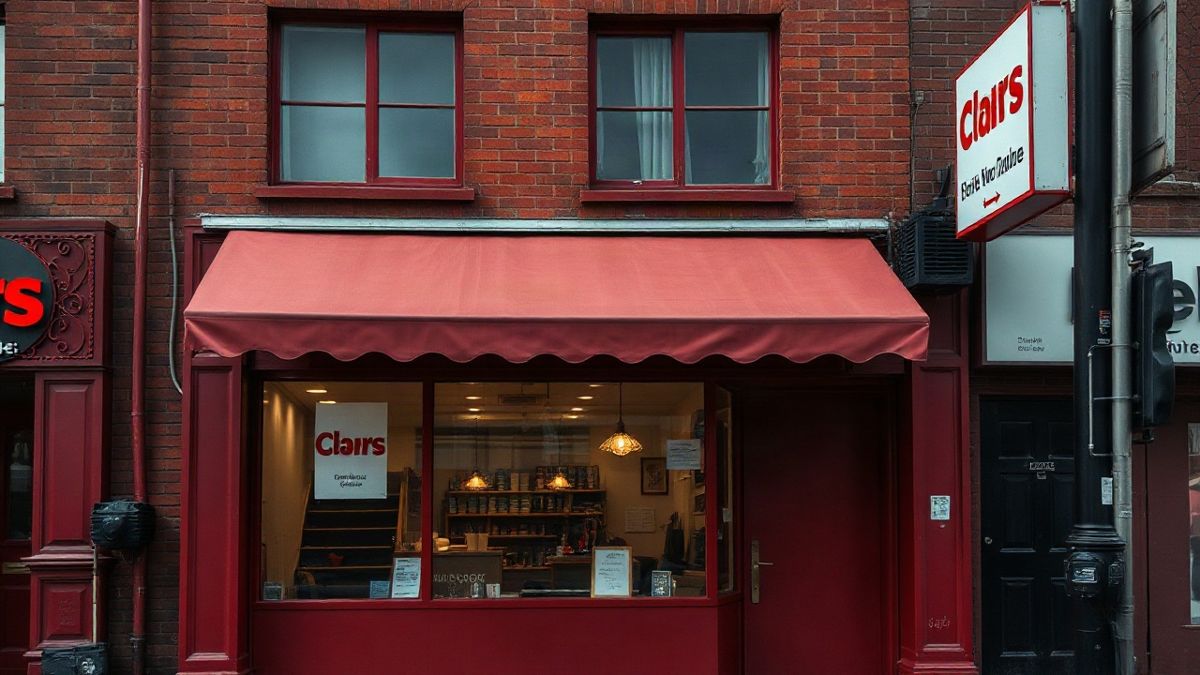
California has more than 37,000 licensed childcare facilities regulated by the Community Care Licensing Division (CCLD) of the California Department of Social Services. Each one faces a specific set of insurance requirements that differ from a typical small business — not because the general rules are different, but because the risks of working with children require coverages that a standard commercial package often excludes by default.
This guide covers exactly what you need, what the state requires, and what it costs in 2026 — whether you operate a Small Family Day Care Home, a Large Family Day Care Home, or a licensed childcare center.
What are the 3 types of home daycare insurance?
Almost every California home daycare is built on three policies, and they do three different jobs:
- Commercial general liability (with abuse & molestation coverage). Pays when a child is injured in your care or a parent sues. This is the policy the licensing paperwork and most parent contracts are asking about. Sexual abuse and molestation coverage is a separate insuring agreement — confirm it is on the policy, not excluded.
- Property / business personal property. Covers the cribs, play structures, mats, car seats, and equipment you use for the business. Your homeowners policy excludes property used for a business, so without this line those items are uninsured.
- Workers' compensation. Required in California from your first employee under Labor Code §3700 — including a part-time assistant or a relative you pay. Family child care homes that employ anyone are not exempt.
Two more sit just outside the core three and matter more than owners expect: commercial auto the moment you transport children (personal auto policies exclude driving for a business), and professional liability for claims about supervision and care decisions rather than physical injury.
What insurance does a California daycare or home childcare provider need?
The core insurance stack for a California childcare operation has five components. Two of them — general liability and workers' compensation — are required. The rest are effectively non-negotiable based on the risk of caring for children.
- Commercial general liability (GL) — covers bodily injury and property damage claims. The standard minimum for childcare is $1,000,000 per occurrence / $2,000,000 aggregate. This is what most CCLD licensing authorities require proof of.
- Sexual abuse and molestation (SAM) endorsement — standard GL policies exclude abuse and molestation claims by ISO form language. A SAM endorsement restores that coverage. For childcare, this is the most critical piece — an accusation alone can cost $40,000–$100,000+ in legal defense. (See section below.)
- Workers' compensation — legally required in California the moment you hire any employee, including a part-time aide or substitute caregiver. Childcare workers are a meaningful injury risk: lifting children, slip-and-fall exposure, and infectious illness are all compensable events.
- Commercial property coverage — protects your childcare equipment, furniture, art and activity supplies, outdoor play equipment, and tenant improvements. Standard homeowners property does not cover business inventory or commercial equipment.
- Commercial auto — if you transport children for any reason (field trips, pickup/dropoff), a personal auto policy excludes that use. You need a commercial or hired/non-owned auto endorsement for every vehicle used in the operation.
Critical gap: Standard homeowner's insurance policies contain a business exclusion. If a child is injured during your paid childcare operation at your home, your homeowner's insurer will deny the claim as a commercial activity. A separate commercial GL policy is required from day one of your licensed operation.
How much does daycare insurance cost in California?
Cost depends on your license type, enrollment, location, and whether you have employees. Here are realistic 2026 ranges based on childcare accounts we write across California:
| Coverage | Typical annual cost | Key driver |
|---|
| GL with SAM endorsement — small home daycare (up to 8 children) | $800 – $1,500 | Enrollment size & location |
| GL with SAM — large family daycare or childcare center | $1,500 – $4,000+ | Enrollment, payroll, prior claims |
| Sexual abuse & molestation endorsement (standalone add-on) | $300 – $1,000 | Enrollment & history |
| Workers' compensation | Varies by payroll | Class code 9079; $3–6 per $100 payroll |
| Commercial property (home daycare contents) | $400 – $900 | Equipment value & structure |
| Commercial auto (transport) | $800 – $2,500 / vehicle | Vehicle, driving records, miles |
Real-world example
Home daycare, 6 children, 1 part-time assistant, Stockton
GL with SAM coverage (~$950/yr) + workers' comp on 1 part-time employee (typically $600–$900 depending on wages) + commercial property for $15,000 in equipment (~$450). Total package: roughly $2,000–$2,250/year. The GL with SAM is the piece most operators underestimate — and the one that matters most if a claim is ever filed.
Does California require insurance for a CCLD childcare license?
Yes — with specifics that depend on license type.
Licensed Child Care Centers are required to carry liability insurance as a condition of licensure under the California Health and Safety Code §1596.80 et seq. The California Department of Social Services' CCLD licensing manual specifies minimum coverage thresholds, and applicants must submit proof of insurance before a license is issued or renewed.
For Family Day Care Homes — both Small (up to 8 children) and Large (up to 14 children) — many counties and cities require proof of liability insurance as part of local permitting, even when the state minimum requirement applies only at the county level. When in doubt, check with your local CCLD regional office. In our experience, showing up to licensing without a certificate of insurance is the single most common reason daycare license applications are delayed.
Two things the CCLD cannot tell you — but we can
First: the state minimum coverage amounts are often lower than what you actually need to be protected. A $300,000 per-occurrence limit might satisfy the paperwork but leave you personally exposed if an injury results in a significant lawsuit.
Second: the state doesn't specify that your policy must include SAM coverage — but a GL policy without it is functionally incomplete for childcare. We never write a daycare account without it.
Why homeowner's insurance won't protect your home daycare
This is the most common misconception we encounter with new home daycare operators. Standard homeowner's policies — including most comprehensive HO-3 policies — contain a business pursuits exclusion. The policy language typically reads something like: "We do not cover bodily injury or property damage arising out of or in connection with a business conducted from an insured location."
Running a licensed paid childcare operation from your home is a business, full stop. Your homeowner's insurer will deny any claim arising from that activity, including a child's injury on your property during childcare hours.
Some HO policies offer a small business endorsement, but those are rarely adequate for a licensed daycare with multiple enrolled children. You need a purpose-written commercial GL policy for childcare from day one of your licensing.
The coverage most daycare owners miss: sexual abuse and molestation
This is the single biggest coverage gap we see in daycare insurance programs. Standard commercial general liability policies contain an exclusion for "abuse and molestation" — meaning any claim alleging sexual misconduct against a child enrolled in your program triggers no coverage whatsoever under a standard GL, including no legal defense.
This matters even for completely false accusations. Legal defense alone for an abuse allegation in California commonly runs $40,000 to $150,000 before any settlement or verdict. Without SAM coverage, that entire amount comes out of pocket.
From our commercial team
"The most common gap we see in childcare accounts is a GL policy that looks complete but excludes abuse and molestation."
"An accusation alone — even a completely unfounded one — can cost tens of thousands in legal fees before the case is ever resolved. Standard general liability won't touch it. For a daycare, SAM coverage isn't optional — it's the policy." — Commercial team, Via Rapida Services (CA License #6003045)
A sexual abuse and molestation endorsement — either added to your GL or included in a purpose-built childcare policy — fills this gap. It covers defense costs and any resulting settlement or judgment up to the endorsement limit. Childcare-specialist carriers often include SAM as part of their base program for licensed daycare accounts.
Workers' compensation for daycare employees in California
If you have any employee — including a part-time aide who works 10 hours a week, a substitute caregiver, or a family member you pay — California law requires workers' compensation from their first day of work. There is no minimum hour threshold, no minimum wage threshold, and no grace period. The obligation is immediate under the California Labor Code.
Childcare workers are classified under workers' comp class code 9079. The base rate in California for this class typically runs $3–$6 per $100 of annual payroll, placing it in a moderate-risk tier — higher than office workers, lower than construction trades. The injury vectors are real: musculoskeletal strain from lifting children, slip-and-fall incidents on wet surfaces, and infectious disease exposure (especially post-COVID) are all compensable claims in a daycare setting.
Sole proprietors operating a home daycare with no employees are not required to carry workers' comp, but should still carry a personal accident policy or disability coverage for themselves.
Running a licensed daycare in California? We're a bilingual independent broker licensed throughout California (CA #6003045). We'll compare GL programs that include SAM coverage and find the right fit for your license type and enrollment. Same-day phone and WhatsApp.
Get a Quote
Call 209-670-1556
What about professional liability for childcare?
If your program includes therapeutic, behavioral, or special-needs services — occupational therapy, speech support, applied behavior analysis — professional liability (errors and omissions) coverage should be added. Standard GL covers bodily injury and property damage; it does not cover claims arising from professional services or advice. For a standard daycare that provides care, meals, and structured play, professional liability is usually not necessary. For developmental or therapeutic programs, it is.
Checklist: insurance for a California childcare operator
- ✅ Commercial GL with SAM endorsement — minimum $1M/$2M per occurrence/aggregate
- ✅ Workers' compensation — required from first employee; sole proprietors exempt but consider personal coverage
- ✅ Commercial property — covers equipment, supplies, and improvements (not your homeowner's policy)
- ✅ Commercial auto — required if transporting children for any purpose
- ⚠️ Professional liability — add only if your program provides therapeutic or behavioral services
- ⚠️ Umbrella — strongly recommended for childcare centers with high enrollment
En Español
¿Tienes una guardería o cuidas niños en casa en California? Preparamos esta misma guía completa sobre seguro para guarderías y cuidado de niños en el hogar — qué coberturas necesitas, qué exige el estado para la licencia CCLD y cuánto cuesta en 2026.
Lee la guía en español ›
Frequently Asked Questions
What insurance do I need for a home daycare in California?
At minimum: commercial general liability with a sexual abuse and molestation endorsement ($1M/$2M per occurrence/aggregate is standard), workers' compensation if you have any employee, and commercial property coverage for your equipment and supplies. Your homeowner's policy excludes all commercial childcare activity, so a separate commercial GL policy is required from the day your license is active.
Is liability insurance required for a California CCLD childcare license?
Licensed Child Care Centers must carry liability insurance as a condition of CCLD licensure under California Health and Safety Code §1596.80. For Family Day Care Homes, county and city requirements vary, but most local licensing authorities require proof of GL coverage before issuing or renewing a license. We recommend confirming the specific requirement with your regional CCLD office.
How much does daycare insurance cost in California?
A small home daycare (up to 8 children) typically pays $800–$1,500 per year for GL with SAM coverage. A large family daycare or licensed center pays $1,500–$4,000 or more depending on enrollment, payroll, and location. Workers' comp runs roughly $3–$6 per $100 of payroll for childcare workers under class code 9079. An independent broker comparing multiple carriers will find a lower total cost than a single-carrier quote.
Does homeowner's insurance cover my home daycare business?
No. Standard homeowner's policies contain a business pursuits exclusion that voids coverage for any claim arising from a commercial childcare operation at your residence. If a child is injured during daycare hours at your home, your homeowner's insurer will deny the claim. A separate commercial GL policy is required.
What is sexual abuse and molestation coverage and why do I need it?
Sexual abuse and molestation (SAM) coverage pays defense costs and settlements for claims alleging sexual misconduct against a child in your care. Standard commercial GL policies exclude this by ISO form language — meaning a false accusation that triggers $50,000 in legal fees results in zero coverage under a bare GL policy. For any childcare operation, the SAM endorsement is essential. It typically adds $300–$1,000 per year and is the difference between a manageable claim and a business-closing event.
Reviewed by Santo Militello, California-licensed Property & Casualty agent (CA License #1737723) and owner of Via Rapida Services — CA Insurance License #6003045. Our licensed team brings more than 70 years of combined insurance experience. Cost ranges are general 2026 estimates; your actual premium depends on enrollment, payroll, license type, and claims history. Last reviewed 2026-07-27.